 713-627-3200


What is the Clean Air Action Plan?
The Houston-Galveston Clean Air Action Plan (CAAP) is a regional roadmap to improve air quality, protect public health and reduce climate pollution across one of the nation’s largest metropolitan regions.
Developed through the U.S. Environmental Protection Agency’s Climate Pollution Reduction Grants (CPRG) program, the plan builds on years of air quality planning and community engagement to move the region from analysis to action.
More than a regulatory deliverable, the CAAP is a shared vision and implementation framework designed to help local governments, businesses, institutions, and communities work together toward cleaner air and healthier outcomes. The plan identifies practical, flexible strategies that can be tailored to local needs while contributing to shared regional goals.
At its core, the Clean Air Action Plan recognizes a simple truth: clean air is essential to healthy communities, economic vitality, and long-term resilience.
The videos above help to explain the Clean Air Action Plan. The first video is a brief (3 minute) explainer video that introduces the plan and describes why clean air is vitally important to our growing region. The second video (50 minutes) is a recording of a June 2026 public meeting. This presentation explains how the CAAP was developed, which sectors contribute to greenhouse gas and other pollutant emissions, outlines the plan's sector-based Opportunity Menus, describes the benefit of actions for clean air, and more!
Why Clean Air Matters
 Health Impact
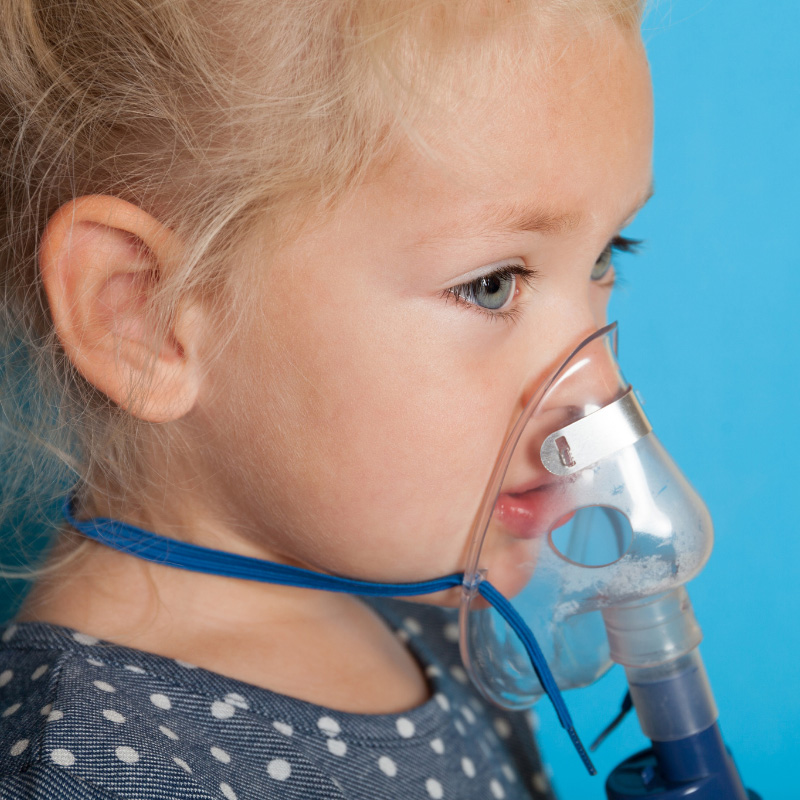
Air pollution affects our health every day. It increases the risk of asthma, heart disease, respiratory illness, and missed school and workdays. Some neighborhoods, especially those near highways and industrial areas, experience higher pollution levels.
Improving air quality helps protect children, older adults, outdoor workers, and people with existing health conditions. Cleaner air leads to healthier families, lower healthcare costs, and a better quality of life across the region.
Here’s how air pollution impacts our communities:



Where Pollution Comes From
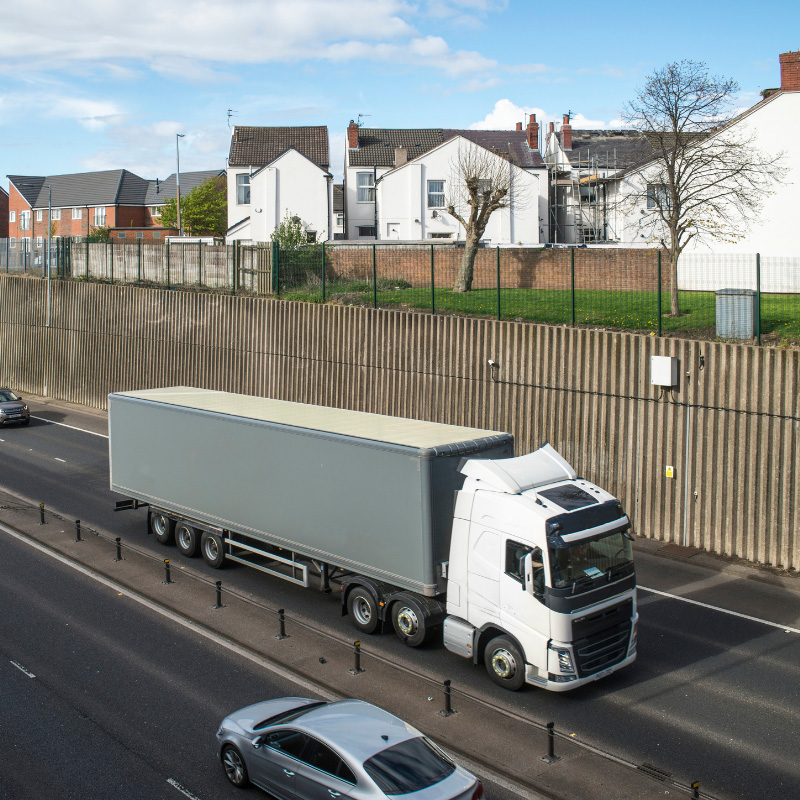
The Houston–Galveston region’s air quality challenges are shaped by its size, geography, and economic role. The region spans 13 counties, covers approximately 12,500 square miles, and is home to more than 7 million people. It includes one of the nation’s largest petrochemical and refining hubs, major ports and freight corridors, expansive highway networks, growing urban and suburban development, and diverse industrial and energy infrastructure.
Key sources of air pollution include:
Transportation
Vehicles and freight movement
Industry
Manufacturing and processing

Energy
Power generation and use
Land Use
Development and urban patterns
Weather patterns, regional transport of pollution, and rapid growth further complicate air quality attainment, particularly for ozone and particulate matter. At the same time, these challenges create opportunities for coordinated, high-impact solutions.
Greenhouse Gas Emissions by Sector for the 13-County Houston-Galveston Region
Total GHG Emissions (2021): 238,093,923 metric tons CO2e
How We're Taking Action
The Clean Air Action Plan organizes solutions into five Opportunity Menus, offering flexible pathways for action across major sectors. Rather than prescribing a single approach, the plan empowers implementers to select strategies that align with their capacity, priorities, and community needs.
Click on each category to explore the full opportunity menu, including detailed actions, expected impacts, and information about who can help implement solutions.
Key strategy areas include:
Accelerating clean energy adoption, energy efficiency, and electrification
Expanding clean and electric transportation, reducing vehicle miles traveled, and modernizing freight systems
Improving energy efficiency, reducing process emissions, and advancing circular economy practices
Reducing methane emissions, expanding composting and waste diversion
Protecting carbon sinks and expanding nature-based solutions
Expected Benefits
Implementing the Clean Air Action Plan delivers wide-ranging benefits that extend beyond emissions reductions.
Improved Air Quality
- Reduced ozone and particulate pollution
- Lower vehicle and industrial emissions
- Cleaner air for communities

Cost Savings
- Lower household energy costs
- Reduced fuel and transportation expenses
- Long-term infrastructure savings
Economic Growth
- Clean energy investment
- Local business opportunities
- Regional competitiveness

Workforce Development
- Green jobs and technical careers
- Training and certification programs
- Skilled workforce pipeline
Health & Well-Being
- Fewer asthma and respiratory illnesses
- Safer, healthier neighborhoods
- Increased outdoor activity

Improved Reliability
- More resilient energy systems
- Reduced grid and infrastructure strain
- Stronger transportation networks
Community-Driven. Regionally Aligned.
Community Voice
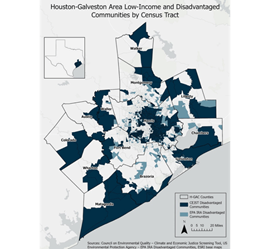
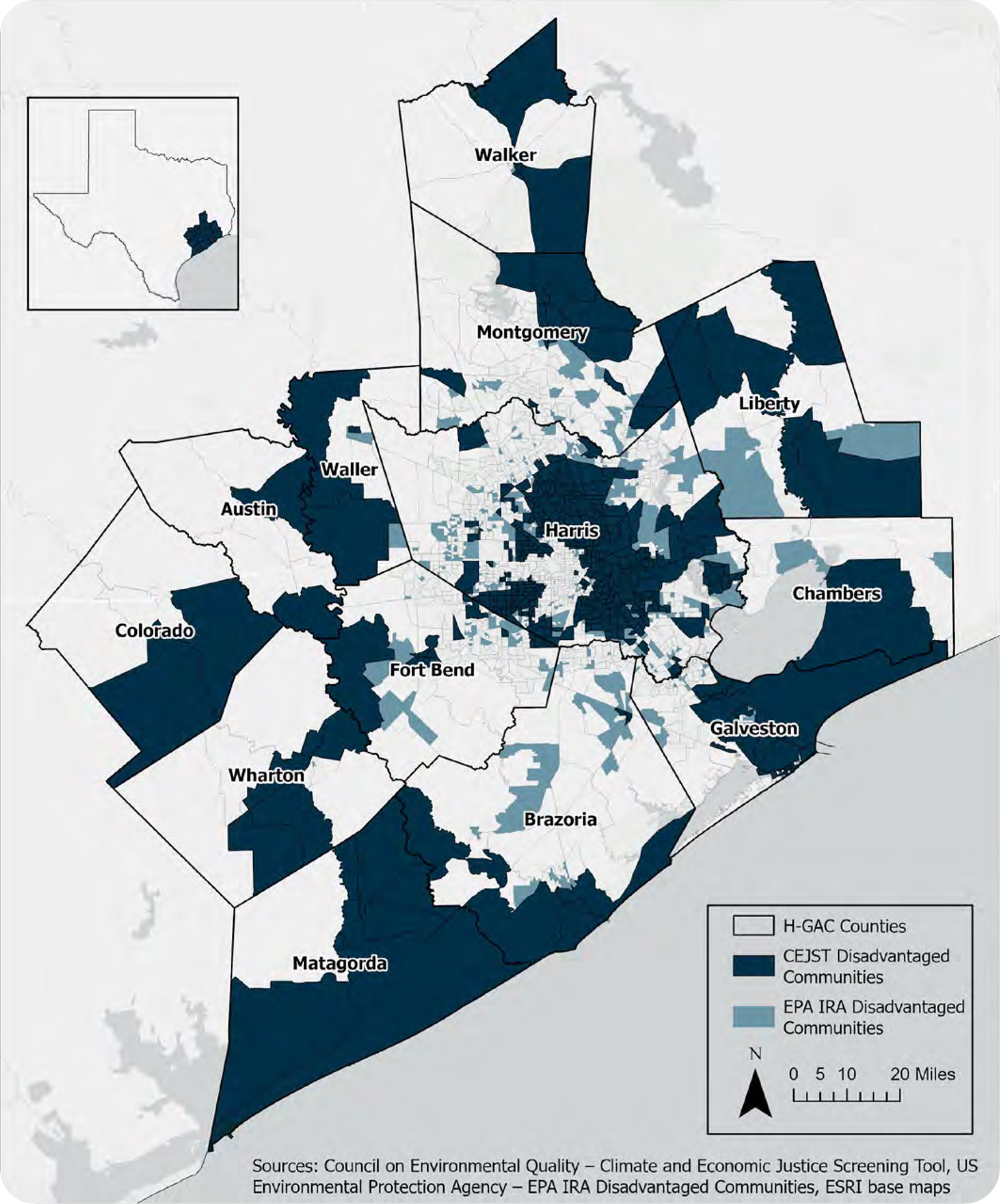
Community voices shaped every stage of the Clean Air Action Plan. Engagement included outreach across all 13 counties, collaboration with local governments and regional partners, and targeted engagement with low-income and disadvantaged communities. Feedback from residents, stakeholders, and implementers helped prioritize strategies, refine metrics, and ensure the plan reflects lived experience—not just technical modeling.
This plan reflects what communities told us they value: cleaner air, healthier neighborhoods, transparency, and meaningful participation in shaping regional solutions.
"Have more neighborhood pocket parks designed to flood in torrential rain. demonstrate to community how much cooler it is with trees, shrubs, wildflowers, prairie grasses compared to mowed lawn and pavement. Native trees, shrubs, etc."
"The focus should be on wise use of natural resources not just a switch to some alternative that causes different challenges."
"Focus on green initiatives should be balanced with increased reliance on natural gas."
"Education is great, permitting modification good, mandates bad."
"I think one of the largest barriers to greater EV adoption is the lack of public charging locations - increasing those will have a great impact of EV adoption."
Regional Partnerships & Alignment
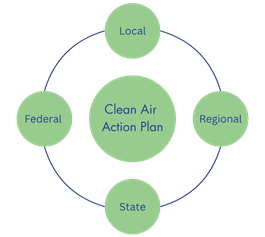 The Clean Air Action Plan aligns with local climate and air quality initiatives, including county and municipal plans such as the Harris County Climate Justice Plan, Houston Climate Action Plan, and H-GAC Great Region 2040 Plan. It supports state and federal goals for emissions reduction, public health protection, and economic transition while positioning the region to pursue future funding and partnerships.
By connecting local action to regional, state, and national priorities, the CAAP strengthens the Houston–Galveston region’s ability to lead on clean air and climate solutions.
Select a plan below to view a brief description and access the plan.
Climate Pollution Reduction Grant (CPRG) Program

Regional climate plan focused on reducing greenhouse gas emissions and advancing clean energy solutions.
Harris County Climate Justice Plan
Climate justice plan addressing air quality, public health, and impacts on vulnerable communities.
City of Houston Climate Action Plan
Houston’s climate action plan to reduce emissions, strengthen resilience, and support sustainable growth.
H-GAC Great Region 2040 Plan
Regional transportation and air quality plan guiding long-term growth in the Houston–Galveston area.
Tracking Regional Action in Motion
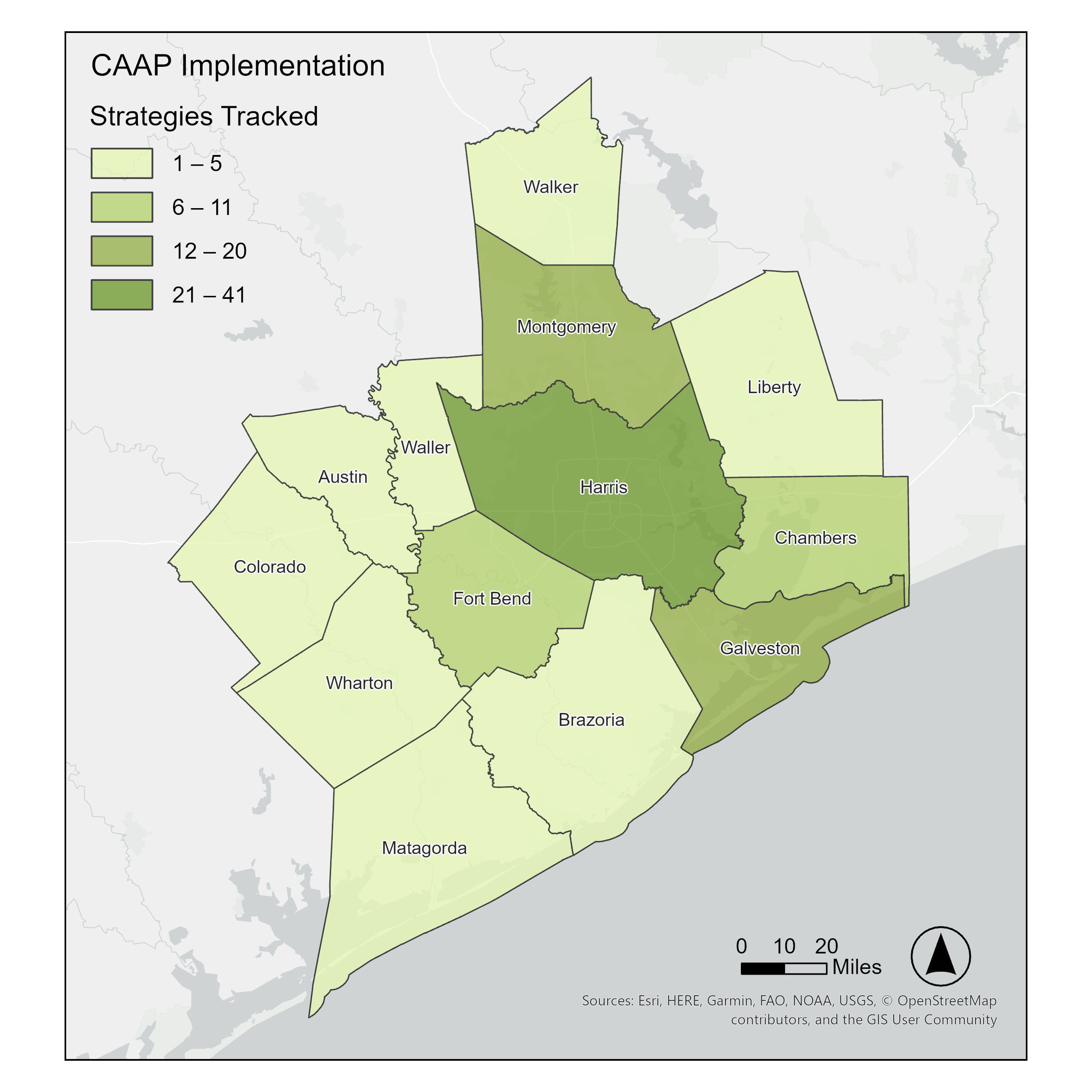 The strategies identified in the Regional Clean Air Action Plan are not just ideas—they're being put into action across the Houston-Galveston region. This map highlights projects and initiatives that align with the Plan's opportunity strategies, illustrating how local governments, businesses, educational institutions, nonprofits, and community partners are working together to improve air quality and reduce emissions.
Each marker represents more than a project—it represents regional momentum. As new partners implement clean air strategies, this map will continue to grow, showcasing the collective impact of collaboration and innovation. Discover ideas that can be replicated in your community, and see how your organization can contribute to cleaner air, healthier communities, and a more resilient region.
Get Involved
Clean air requires collective action. Residents, businesses, schools, and local governments all have a role to play.
Stay informed about progress and opportunities
Download and explore the complete action plan
Share feedback to improve and adapt strategies
Partner with us to support implementation